Gold vs Silver: Which Precious Metal Should You Trade in 2026?
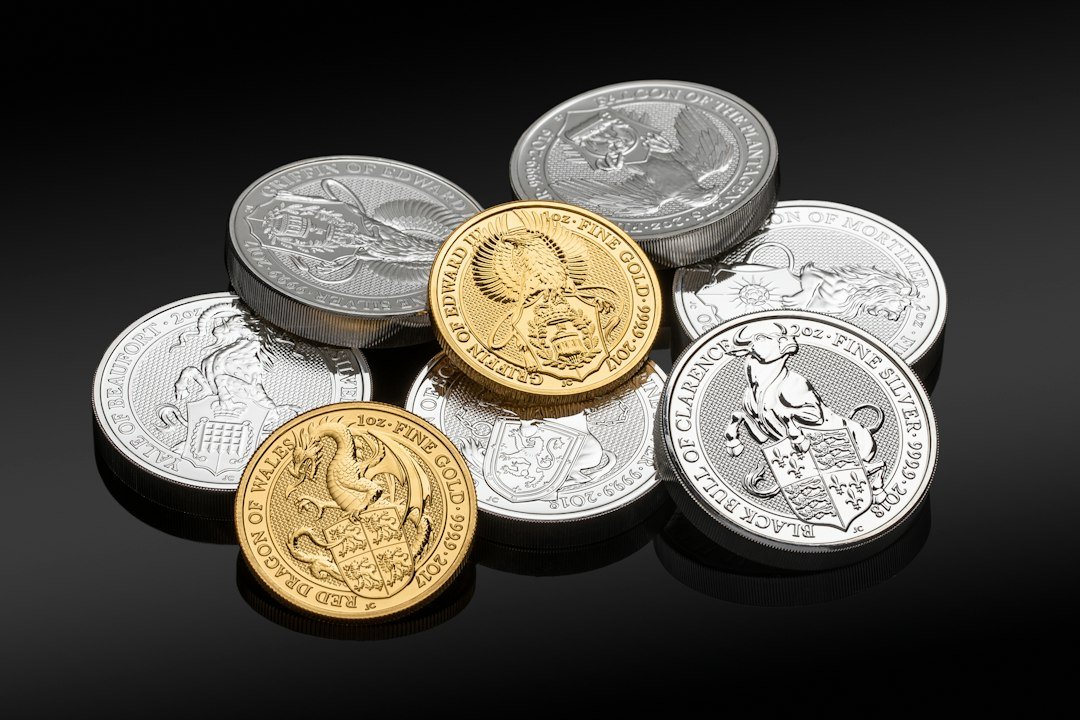
Gold gets most of the headlines, but silver has quietly had one of its own remarkable years, and plenty of traders find themselves genuinely torn between the two. Both are precious metals, both react to many of the same macro forces, but they behave differently enough that the choice matters. Here’s how to think through it.
What They Have in Common
Gold and silver are both priced largely in response to the same broad forces: the strength of the US dollar, real interest rates, safe-haven demand during periods of geopolitical or economic stress, and inflation expectations. When gold rallies on dollar weakness or rising uncertainty, silver very often rallies too — the two tend to be positively correlated over most timeframes.
Where They Genuinely Diverge
Volatility: Silver is typically far more volatile than gold on a percentage basis. It’s a smaller, less liquid market, and moves that would be considered large for gold are often unremarkable for silver. This cuts both ways — bigger potential gains, but also sharper potential losses.
Industrial demand: Unlike gold, which is held almost entirely as a monetary and investment asset, a significant portion of silver demand comes from industrial applications — electronics, solar panels, and various manufacturing processes. This means silver’s price is influenced by economic growth and industrial activity in a way gold generally isn’t, adding a layer of complexity beyond pure safe-haven dynamics.
The gold-silver ratio: Traders often watch the ratio between gold and silver prices as a gauge of relative value — a historically high ratio suggests silver may be undervalued relative to gold, and vice versa. This ratio has swung significantly over the past year alongside gold’s own dramatic moves, making it a useful reference point for traders weighing which metal currently offers a better entry.
How Each Metal Fits Different Trading Styles
- Gold tends to suit: Traders prioritizing a more “pure” safe-haven and monetary-policy play, with somewhat more predictable (though still substantial) volatility.
- Silver tends to suit: Traders comfortable with higher volatility who want exposure to both the safe-haven narrative and industrial/economic growth dynamics simultaneously.
A Live Example From This Year
2026 has offered a genuinely useful real-world comparison. Gold’s swing from an all-time high above $5,600 in January through a sharp correction and partial recovery has been a dramatic story on its own — but silver has moved through its own distinct cycle over the same period, shaped not just by the same safe-haven and dollar dynamics driving gold, but also by shifts in industrial demand tied to the broader economic backdrop. Watching both metals side by side this year has been a genuinely instructive lesson in how correlated-but-distinct assets can still tell somewhat different stories.
Practical Considerations Before Choosing
- Your risk tolerance — silver’s higher volatility means position sizing matters even more than with gold.
- What you’re trying to express — a pure safe-haven view generally favors gold; a view that also incorporates industrial demand or economic growth expectations may favor silver.
- Liquidity needs — gold’s larger, deeper market generally means tighter spreads and easier execution, particularly during volatile periods.
The Takeaway
There’s no universally “better” choice between gold and silver — they serve different roles and suit different risk appetites. Many experienced traders end up watching both rather than choosing exclusively, using the relationship between them as an additional layer of market insight rather than picking just one.
This article is for educational purposes only and does not constitute financial or investment advice. Trading gold, silver, and other commodities involves substantial risk of loss.