How Gold Reacted to the Fed’s Rate Hike — and What It Signals Going Forward
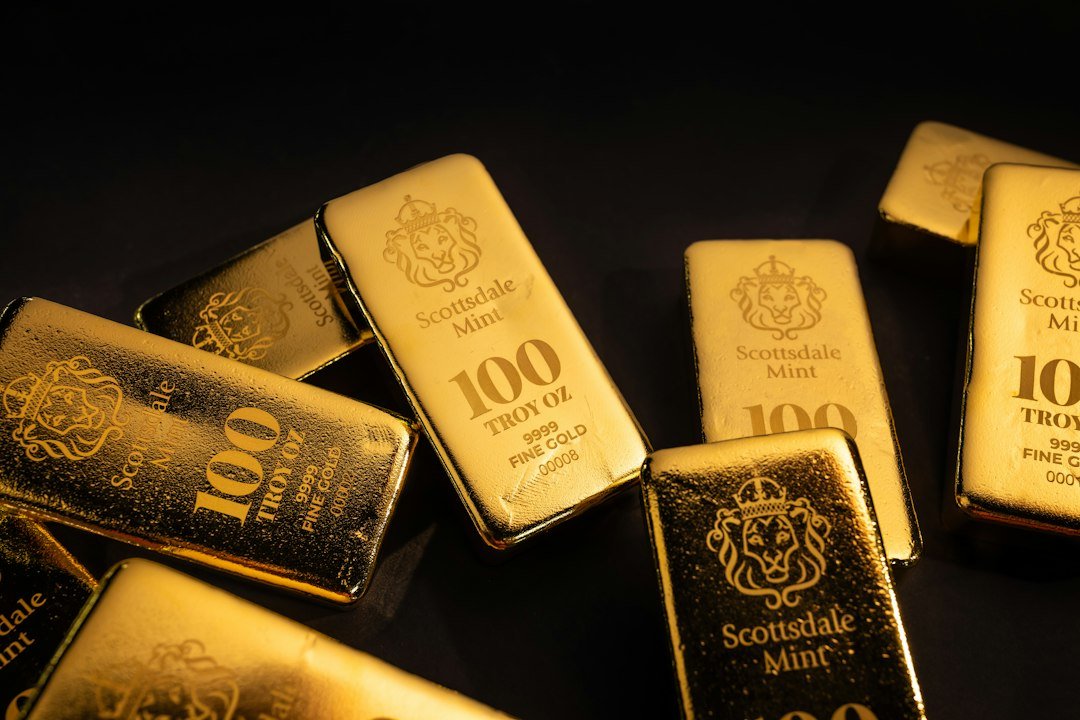
Gold traders had circled this week’s Fed decision for good reason — a hawkish hike is typically a headwind for a metal that pays no yield, and the reaction (or lack of a dramatic one) tells us something important about where gold’s underlying support is really coming from right now.
A More Muted Reaction Than Many Expected
Rather than a sharp selloff, gold’s response to the Fed’s confirmed hawkish hike was relatively contained. This is worth sitting with: a genuine rate hike, especially one paired with a statement leaving the door open to further tightening, is exactly the kind of event that should pressure a non-yielding asset like gold. The fact that the reaction was muted rather than severe suggests the market had already priced in much of this outcome during the weeks of speculation leading up to the decision.
What’s Still Supporting Gold Despite Higher Rates
Several structural forces have continued underpinning gold even as the rate backdrop turned less favorable:
- Persistent geopolitical risk. The US-Iran conflict remains unresolved, and oil’s sustained strength continues to reflect real supply-side uncertainty — exactly the kind of backdrop that keeps safe-haven demand for gold elevated regardless of the rate environment.
- Central bank buying. Institutional gold accumulation has continued at a historic pace this year, and central bank demand tends to be far less sensitive to short-term rate moves than retail or speculative positioning.
- A genuinely synchronized tightening cycle. With the Fed, ECB, and BoJ all raising rates within weeks of each other, the *relative* attractiveness of holding dollars over other currencies hasn’t shifted as dramatically as a Fed-only hike would normally produce — which has, in turn, limited how much additional dollar strength has weighed on gold.
The Historical Context Worth Remembering
It’s easy to forget just how far gold has already traveled this year — from an all-time high above $5,600 in January, through a sharp corrective phase, and back to a rebuilding pattern through the second half of the year. A metal that’s already demonstrated this much volatility in 2026 isn’t necessarily going to move in lockstep with a single rate decision, however significant that decision is in isolation.
What Could Change This Picture
The relatively calm reaction doesn’t mean gold is immune to further pressure. If upcoming inflation data confirms the Fed’s hawkish stance was justified and opens the door to additional hikes, sustained dollar strength and rising real yields could eventually weigh more heavily on gold than this single event did. Conversely, any sign that this was a “one-and-done” hike, or any escalation in the Middle East conflict, would likely reinforce gold’s current support rather than erode it.
What to Watch Next
- The Bank of Japan’s decision — another data point in this month’s synchronized tightening story
- Real yield trends in the weeks following the Fed’s hike, since gold’s relationship with rates works primarily through inflation-adjusted yields rather than nominal rates alone
- Any developments in the US-Iran conflict, which remains the dominant geopolitical driver behind this year’s safe-haven flows
The Takeaway
Gold’s contained reaction to a genuinely hawkish Fed hike is a meaningful signal in itself — it suggests the metal’s current support is coming from structural forces (geopolitical risk, central bank buying, synchronized global tightening) that a single rate decision doesn’t easily unwind. That resilience is worth watching closely as the rest of this eventful year plays out.
This article is for informational purposes only and does not constitute financial or investment advice. Trading gold and other commodities involves substantial risk of loss.